Our Process

From a hard problem to a working answer.

One process carries every engagement, whether it’s a research program, a lab job, or a sensing deployment. We define it, scope it, build it in our own lab, prove it, and carry it forward.

01The Process

Five steps, from first call to fielded results

Every step ends with something you can hold: a problem statement, a proposal, hardware, data, or a plan for what comes next.

  1. 01

    Define

    A conversation with the scientists closest to your problem: what you need, the environment it has to work in, and what success looks like. NDAs are signed here if you need them.

    You getA clear problem statement and success criteria

  2. 02

    Scope

    We propose an approach with milestones, cost, and timeline, and agree on IP, data, and publication terms before work starts.

    You getA proposal or a quote

  3. 03

    Build

    Design, fabrication, and integration happen in our own Albuquerque lab: the cleanroom, the plating line, and the electronics bench.

    You getPrototypes, parts, or configured systems

  4. 04

    Prove

    We characterize and test in the lab and in real conditions, and iterate on the build until the results hold up.

    You getData and a report you can check

  5. 05

    Carry forward

    The work moves on: into a follow-on program, a license, production, or a deployment your team is trained to run.

    You getA next step, with support

02Under One Roof

Build and prove in the same building

Design, fabrication, characterization, and testing all happen in our Albuquerque lab, so a design change is a conversation down the hall, not a new vendor.

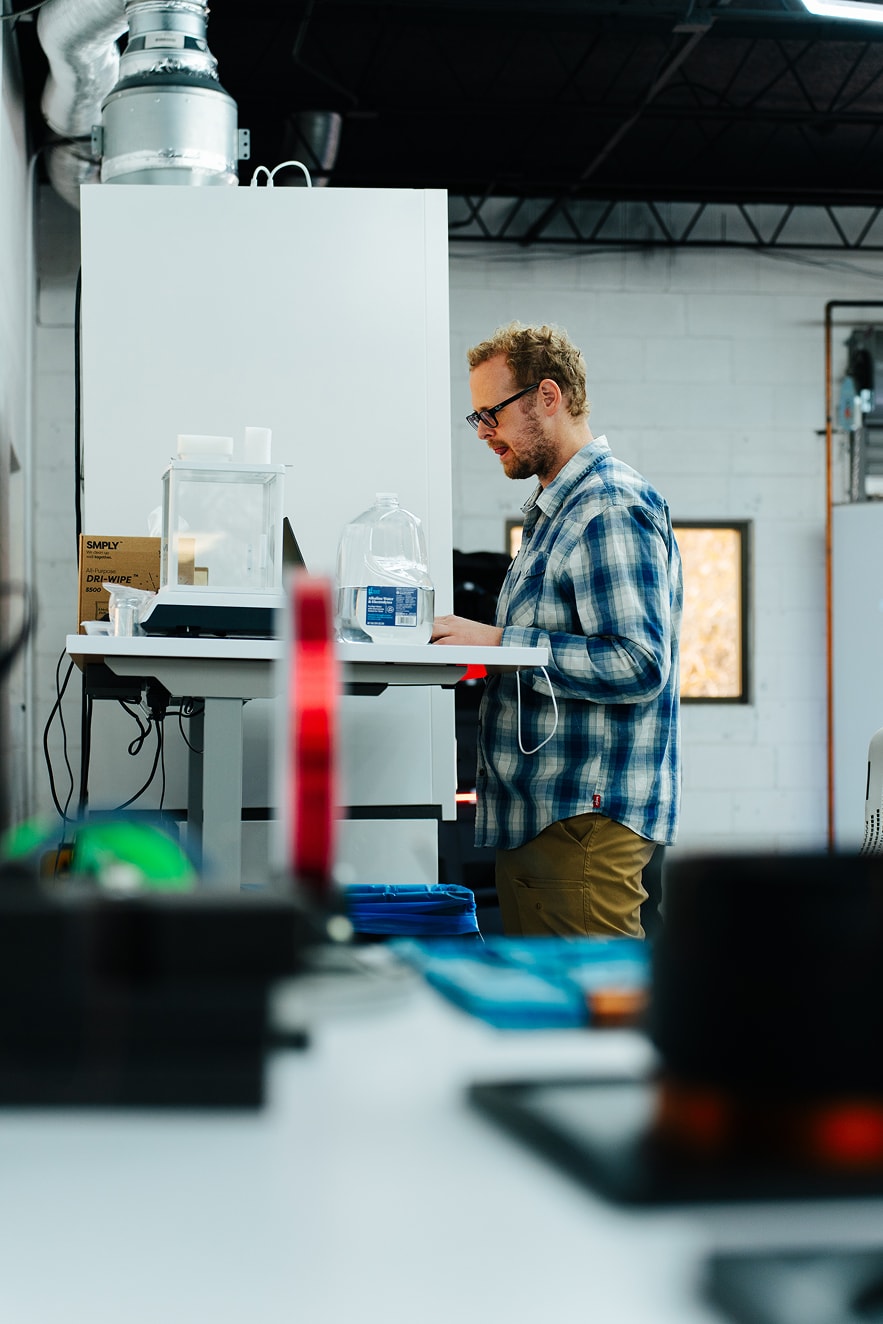
A VastVision scientist at work in the lab
Fabricate
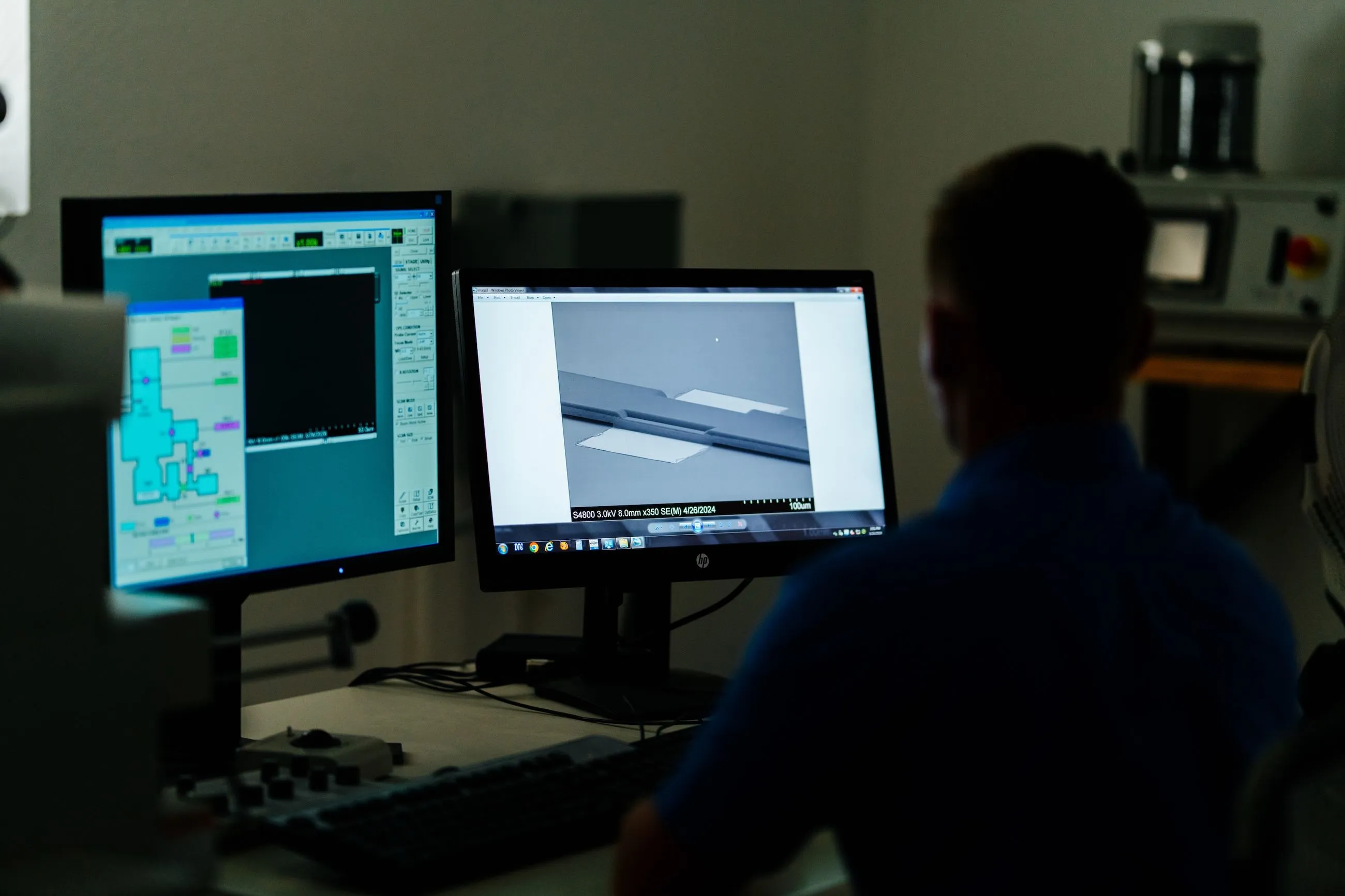
The VastVision scanning electron microscope station
Characterize
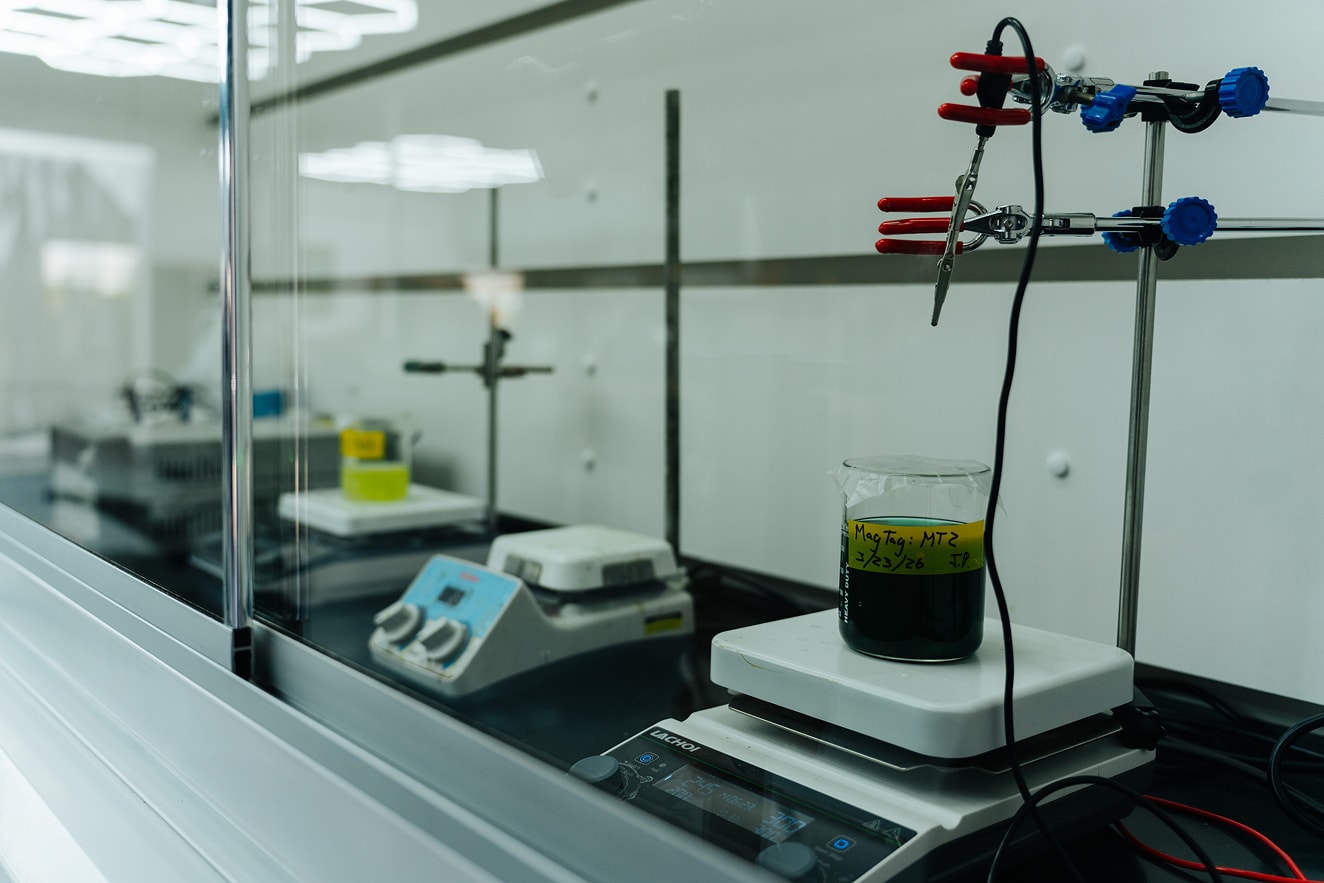
An electrochemistry setup in the VastVision fume hood
Electrodeposit
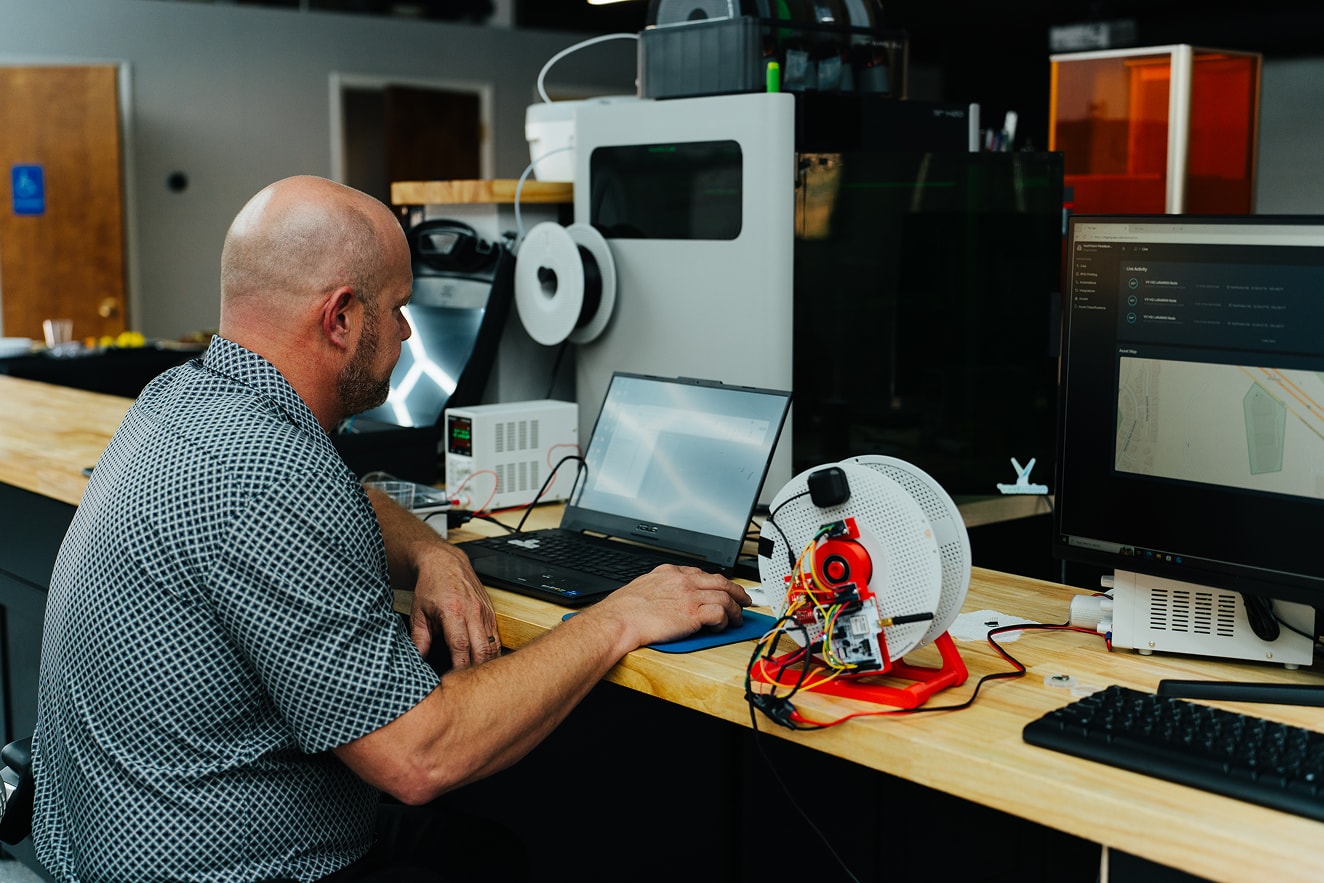
An engineer testing a rotational sensor on a cable spool
Integrate & test
See it in person: schedule a lab tour
03Ways to Work With Us

The same process, three ways in

How the five steps play out depends on what you’re here for. Here is what each path typically looks like.

Research

A research program

  1. Phase 1Feasibility: prove the physics on the bench
  2. Phase 2Prototype: a working device and the data behind it
  3. Phase 3Program: CRADA, SBIR/STTR, or sponsored research
  4. Phase 4Transition: license, product, or follow-on work

For national laboratories, universities, agencies, and companies with a problem nobody has solved.

Lab Services

A lab job

  1. Step 1Spec: your material, drawing, or requirement
  2. Step 2Quote: price, schedule, and the specs we work to
  3. Step 3Run: fabrication, finishing, or characterization
  4. Step 4Return: parts and data, inspected and documented

Fee-for-service microfabrication, metal micromachining, characterization, and coatings.

Products

A sensing deployment

  1. Week 1-2Discovery & planning: use cases and site survey
  2. Week 3-4Deployment: hardware, sensors, and networking
  3. Week 5-6Testing & optimization: calibration in place
  4. Week 7-8Training & go-live: your team runs it

Integrates with your ERP, CRM, and inventory systems through APIs and dashboards.

04How We Work

What you can count on

Scientists on the call
You talk to the people who will do the work, from the first conversation.
Terms up front
Milestones, cost, IP, and data rights are agreed before work starts.
Results you can check
Every phase ends with data and a report, not just a status update.
Built to scale
What works in the lab is designed to carry into production and the field.

Bring us a problem that hasn't been solved.

Tell us what you're working on. We'll tell you how the lab would approach it.